

Once dismissed as tradition without proof, India’s Ayurvedic supplement brands are now engineering trust and finding a global market that’s ready to buy.
There is a particular kind of skepticism that greets Ayurvedic products in Western markets. It is not hostility toward ancient medicine, but toward the opacity that has long surrounded it. Some of these are unlabelled ingredients, unverified sourcing, and efficacy claims that float free of any clinical anchor. For years, this gap between Ayurveda’s cultural authority and its commercial credibility kept Indian brands confined to shelves and niche wellness corners. That is changing, and the change is structural.
The global Ayurvedic market was valued at $12.6 billion in 2025 and is projected to reach $26.4 billion by 2034, expanding at a compound annual growth rate (CAGR) of 8.6% during the forecast period from 2026 to 2034. With demand concentrated in North America, Europe, and Southeast Asia, the size of this potential opportunity is not lost on Indian manufacturers. What is less discussed, however, is the depth of transformation required to actually capture it, one that goes far beyond product development into how a brand thinks about compliance, supply chains, and the language of consumer trust.
In the United States, most Ayurvedic products are classified as dietary supplements under the Dietary Supplement Health and Education Act (DSHEA). That classification carries serious obligations: Good Manufacturing Practice compliance, precise labeling, and traceable ingredient sourcing. European markets apply comparable scrutiny under the Traditional Herbal Medicinal Products Directive. Brands that treat these frameworks as bureaucratic inconveniences rather than as the baseline cost of credibility find themselves systematically excluded from the premium market they are chasing.
The companies clearing that bar share a common discipline. They build regulatory compliance into their product architecture from the start: third-party testing, Certificate of Analysis documentation for every ingredient batch, and supply chains transparent enough to trace a herb from certified farm to finished formulation. Equally important, they have rethought how Ayurvedic efficacy is communicated not as inherited wisdom in isolation, but as a proposition increasingly supported by clinical observation and peer-reviewed research.
One of India’s Ayurvedic D2C brands, Nirogam, with over 25 years of presence, has worked its way through this shift. Instead of positioning Ayurveda purely through tradition-led storytelling, the brand has focused on modern health concerns such as diabetes management, joint care, sleep, stress, immunity, and women’s health, while aligning its experience with global consumer expectations.
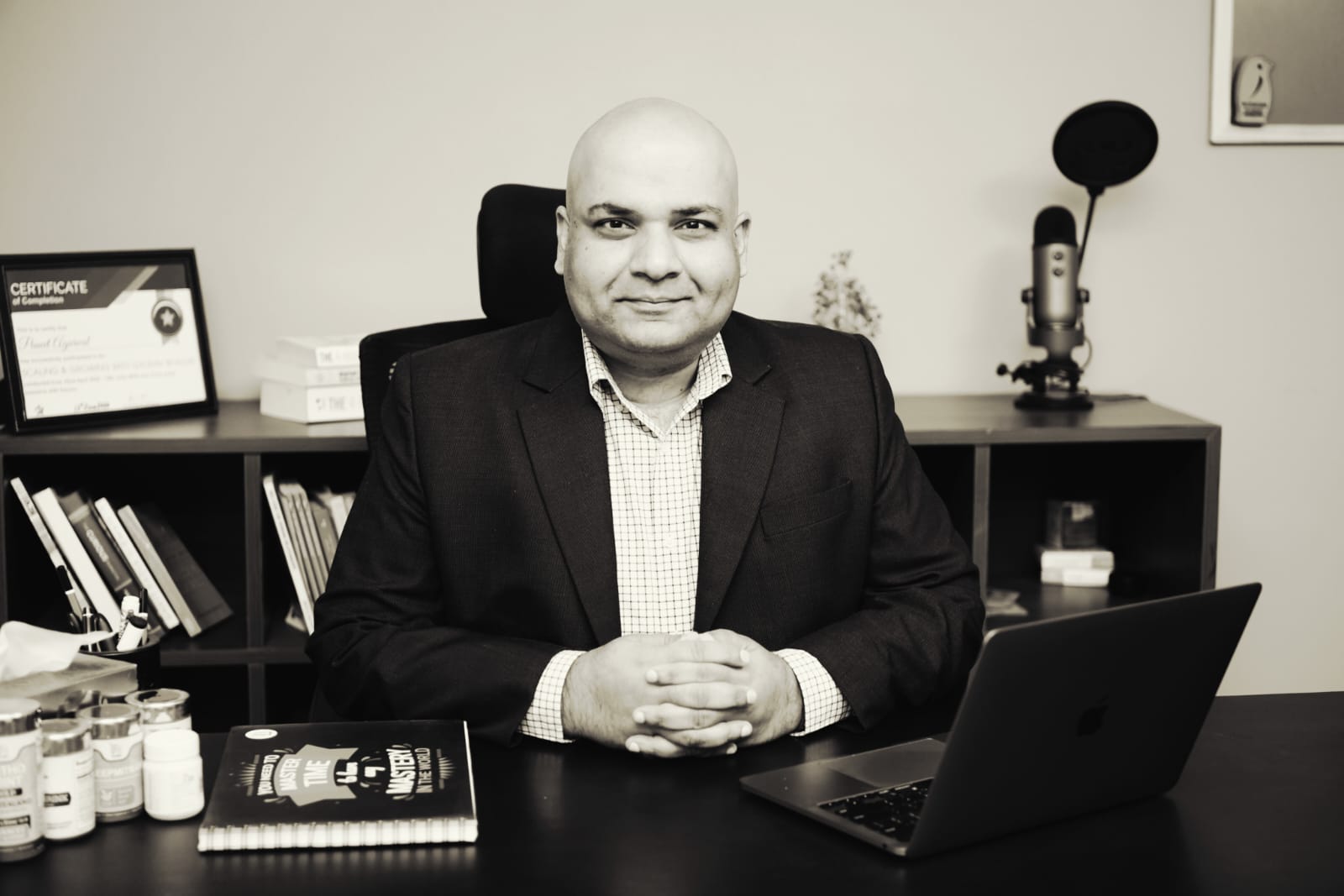
The founder, Puneet Aggarwal, explains, “International consumers don’t come to Ayurveda on faith alone. They want reliable delivery, transparent labeling, and a refund policy that actually means something. We just made sure we could deliver on all of that. ” With 3–5 day US shipping, a 30-day money-back guarantee, and over 215 verified customer reviews, Nirogam reflects how Ayurveda brands are evolving to compete on global consumer standards, not just cultural familiarity.
The broader lesson extends well beyond any single company. Building for global consumer standards is not about abandoning classical Ayurvedic principles. It is about making them legible to a buyer who carries no cultural memory of the system but every intention of engaging with it, provided the experience earns their confidence. That translation requires sustained investment in testing infrastructure, clinical documentation, and quality systems: the unglamorous work that most small manufacturers have historically lacked both the capital and the conviction to undertake.
The global wellness consumer is not opposed to Ayurveda. They are opposed to being asked to take it on faith. Indian brands that answer that instinct with transparency, clinical grounding, and the kind of operational reliability that makes a 30-day money-back guarantee feel like a promise rather than a policy are not simply entering new markets. They are earning a seat at a table that, for too long, traditional Indian medicine was never quite invited to.
